
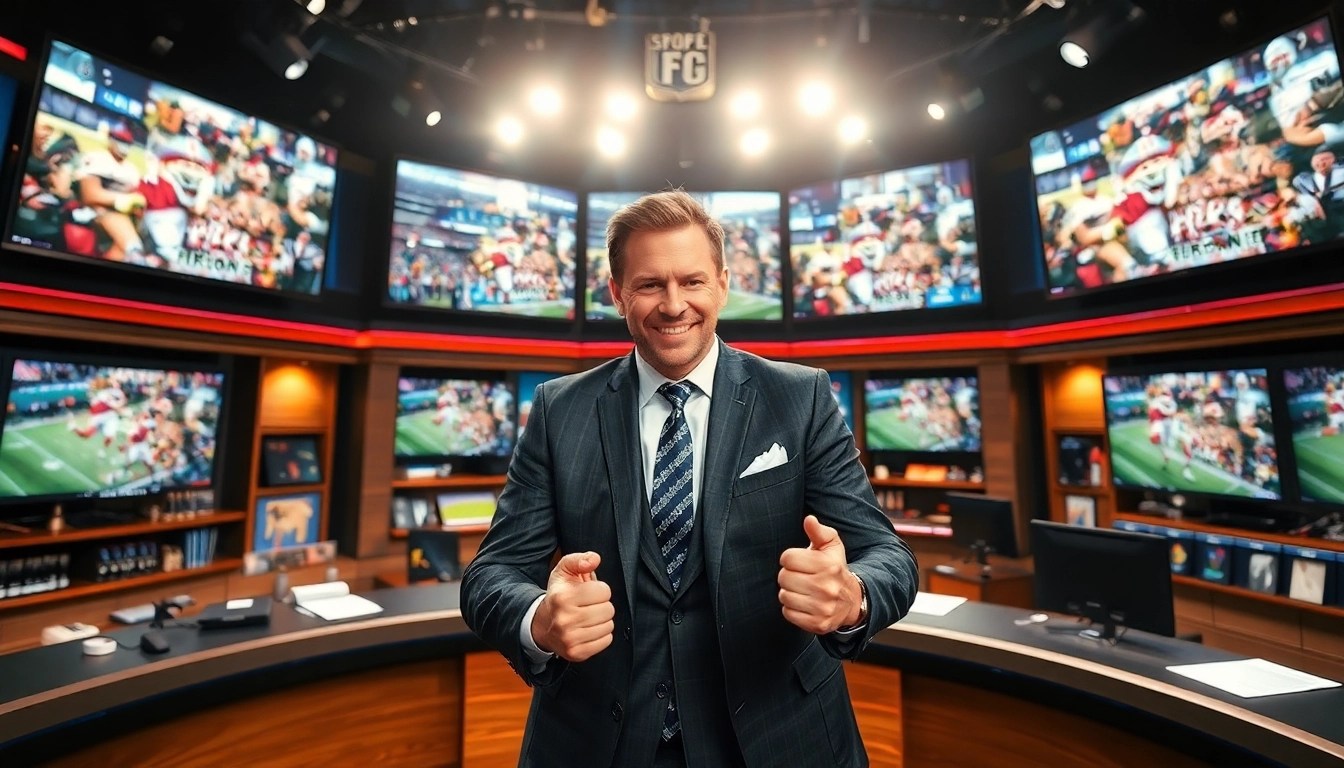
Understanding Sports Broadcasting
Definition and Importance
Sports broadcasting refers to the transmission of live sports events, updates, and analyses through various media platforms such as television, radio, and digital channels. With the rapid growth of global sports fandom, it plays a critical role in connecting fans with their favorite teams and athletes. The success of Sports Broadcasting hinges on its ability to provide timely, engaging, and relevant content that resonates with audiences, enhances viewer experiences, and drives viewership and revenue for broadcasters.
History of Sports Broadcasting
The journey of sports broadcasting began in the early 20th century. The first significant sports broadcast took place in 1921 when a baseball game was aired on radio. This innovative practice gradually evolved, with television broadcasts emerging in the 1930s and 1940s. By the 1950s, major sporting events like the World Series and the Super Bowl were regularly televised, marking a pivotal shift in how audiences consumed sports. The introduction of satellite technology in the 1980s further transformed the industry, allowing for global reach and the proliferation of dedicated sports channels.
The Evolution of Technology
Technological advancements have continuously shaped sports broadcasting. From the transition to color broadcasting in the 1960s to the integration of high-definition (HD) and ultra-high-definition (UHD) formats, each development has enhanced the viewing experience. In recent years, the rise of streaming services has ushered in a new era, enabling audiences to watch events on-demand and across multiple devices. Innovations such as augmented reality (AR) and virtual reality (VR) are also beginning to transform how fans engage with sports content, offering immersive experiences that were once unimaginable.
Key Components of Successful Sports Broadcasting
Content Creation Strategies
The foundation of effective sports broadcasting lies in compelling content creation. Broadcasters must curate a blend of game highlights, expert analyses, and behind-the-scenes features that capture the essence of sports. Storytelling is a vital element; it creates narratives around players, teams, and events that resonate with fans. Incorporating data analytics can enhance storytelling by providing context, such as player statistics and historical comparisons, which engage the audience further.
Audience Engagement Techniques
Engaging audiences goes beyond simply broadcasting events. Successful sports broadcasters utilize various techniques, including interactive content, polls, and live Q&A sessions that encourage viewer participation. Gamification elements, such as fantasy sports leagues and prediction games, can also enhance audience involvement. Engaging with fans on social media platforms further strengthens the connection, allowing for real-time interaction and feedback during broadcasts.
Leveraging Social Media
In the digital era, social media has become a crucial tool for sports broadcasters. Platforms like Twitter, Instagram, and Facebook facilitate real-time updates and interactions that enhance viewer experience. Using social media effectively allows broadcasters to share highlights, behind-the-scenes content, and engage in discussions with fans, creating a sense of community. Moreover, leveraging influencers and partnerships can expand reach and attract new audiences, driving more viewers to live broadcasts.
Challenges in Sports Broadcasting
Technical Issues and Solutions
Despite advancements, technical challenges persist in sports broadcasting. Issues such as signal interruptions, equipment failures, and software glitches can disrupt broadcasts and tarnish viewer experiences. To mitigate these risks, broadcasters should invest in robust infrastructure, conduct regular testing and maintenance, and have backup systems in place. Training staff to troubleshoot problems quickly can also minimize disruptions during live events.
Regulatory Compliance
Compliance with legal regulations is a significant challenge in sports broadcasting. Different regions have varying laws regarding broadcasting rights, licensing, and content restrictions. Navigating these regulations can be complex for broadcasters, especially those operating in multiple territories. Maintaining clear communication with legal teams and staying updated on policy changes is essential for ensuring compliance and avoiding penalties.
Competition in the Industry
The sports broadcasting landscape is highly competitive, with numerous platforms vying for audience attention and broadcasting rights. To remain relevant, broadcasters must differentiate themselves through unique content offerings, superior viewer experiences, and strategic partnerships. Continuous market research is crucial for understanding audience preferences and adapting to emerging trends, ensuring that broadcasters can effectively compete in this dynamic environment.
Measuring Success in Sports Broadcasting
Key Performance Indicators
Measuring success in sports broadcasting involves analyzing various key performance indicators (KPIs). Metrics such as viewer ratings, audience demographics, and engagement levels provide insights into what resonates with audiences. Tools like Nielsen ratings give objective measures of viewership, while streaming platforms often provide analytics on viewer retention and engagement, empowering broadcasters to make informed decisions about content and marketing strategies.
Viewer Retention Strategies
Retaining viewers is crucial for the long-term success of sports broadcasting. Implementing strategies such as regular audience surveys, standout programming, and loyalty programs can help maintain viewer interest. Additionally, creating exclusive content or partnerships that offer unique experiences can encourage audiences to remain engaged. Broadcasters should foster loyalty by consistently delivering high-quality content that meets evolving viewer expectations.
Feedback and Improvement
Soliciting and implementing viewer feedback is vital for continuous improvement in sports broadcasting. Utilizing surveys, focus groups, and social media interactions can provide valuable insights into audience preferences and concerns. By analyzing this feedback, broadcasters can make data-driven adjustments to their programming strategies, ensuring they remain aligned with viewer expectations and enhance overall satisfaction.
The Future of Sports Broadcasting
Trends to Watch
The future of sports broadcasting is poised for transformative changes driven by technology, shifting viewer habits, and evolving regulations. Key trends to watch include increased adoption of artificial intelligence for content customization, expanded use of data analytics for real-time performance insights, and the rise of virtual sports experiences that blend gaming and traditional broadcasting to cater to diverse audience preferences.
The Role of Streaming Services
Streaming services are revolutionizing the sports broadcasting landscape. With the ability to provide on-demand content and exclusive programming, these platforms offer viewers greater flexibility in how and when they consume sports. This shift is compelling traditional broadcasters to adapt their models, explore partnerships, and innovate their content delivery strategies. Embracing streaming technology is critical for staying competitive in a rapidly changing environment.
Innovative Viewership Experiences
As sports broadcasting evolves, broadcasters must prioritize innovative viewership experiences that capture and retain audiences. Technologies like augmented and virtual reality can enhance fan engagement by offering immersive experiences that extend beyond traditional viewing. In-app features for real-time stats, interactive timelines, and multi-angle viewing options also provide fans with unprecedented control and involvement in their viewing experiences. Broadcasters must embrace these innovations to meet the demands of a future-savvy audience.
FAQs:
What is Sports Broadcasting?
Sports broadcasting involves the live transmission of sports events across various media, connecting fans with teams and athletes.
How do sports broadcasters engage their audience?
They engage audiences through interactive content, real-time updates, social media interaction, and gamification strategies.
What technology is crucial in sports broadcasting?
Key technologies include streaming services, high-definition broadcasting, augmented reality, and data analytics tools.
How are ratings measured in sports broadcasting?
Ratings are typically measured using tools like Nielsen ratings, viewer demographics, and engagement metrics from streaming platforms.
What are the future trends in sports broadcasting?
Emerging trends include increased streaming adoption, advanced data analytics, immersive viewing experiences, and AI-driven content.