
Understanding the World Cup 2026 Format
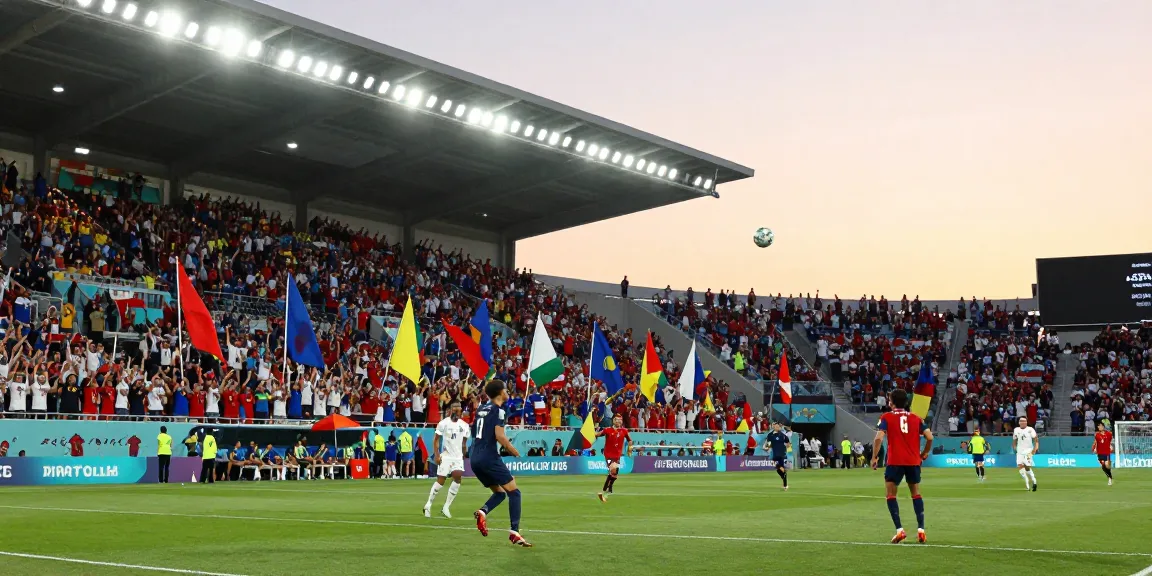
The excitement for World Cup 2026 is palpable, as fans globally anticipate this monumental tournament that will take place across three North American countries: the United States, Canada, and Mexico. This edition of the World Cup marks a significant evolution in the competition’s format, expanding from 32 to 48 teams. This change promises to bring a wider array of talent and stories to the forefront, enhancing the overall spectacle for fans. When exploring options, world cup 2026 offers comprehensive insights into how these changes will impact the games and viewing experiences.
What Teams Will Compete in World Cup 2026?
For the first time ever, 48 teams will compete in the World Cup, expanding opportunities for nations that have historically been underrepresented in this prestigious tournament. This will include a range of teams from various confederations, with qualification currently underway. The top teams from Asia, Africa, and North America are expected to bring fierce competition, while traditional powerhouses from Europe and South America strive to secure their places.
Key Changes in the Tournament Structure
- Group Stage Expansion: The tournament will feature 16 groups of three teams each, with the top two teams from each group moving on to a knockout stage.
- Increased Matches: This format change will allow for a total of 104 matches, up from 64 in previous tournaments.
- More Opportunities for Underdogs: An expanded pool of teams means that smaller soccer nations will have a better chance to showcase their talents on the world stage.
How to Follow the Matches Live
With such an extensive competition format, knowing how to easily access live matches is crucial for fans. Various platforms will offer real-time broadcasting options, and it’s essential to stay updated on local channels, streaming services, and mobile applications that will carry the games. Utilizing social media for updates and live reactions can also enhance your viewing experience.
Best Ways to Watch World Cup 2026 Matches
Streaming Services Offering Live Coverage
As viewing habits have shifted towards digital platforms, there will be multiple streaming services that provide live coverage of the World Cup 2026 matches. Look out for services like ESPN+, Peacock, and FuboTV, which will likely hold broadcasting rights. Subscribing to these platforms not only allows for live viewing but also provides access to replays and analysis.
Local Broadcast Options to Consider
Television networks such as FOX and Telemundo will cover the tournament in the U.S., ensuring fans can enjoy the matches via cable. For viewers in Canada, CBC and TSN will be key players in airing the tournament. Always check your local listings to ensure you don’t miss any critical matches.
Attending Matches In-Person: Tips and Preparation
For the fortunate fans planning to attend matches in person, preparation is key. Purchasing tickets well in advance and researching the stadiums will enhance your experience. It’s also beneficial to familiarize yourself with local transportation options and accommodations to ensure a seamless and enjoyable match day.
Creating the Ultimate Viewing Experience
Setting Up Your Home for the Matches
A well-prepared home environment can elevate the viewing experience. Invest in a high-definition television and consider a sound system to feel the excitement as if you are in the stadium. Arrange comfortable seating to host friends and family, making it a social event to remember!
Gathering with Friends: Game Day Essentials
- Decorations: Show your team spirit with themed decor.
- Seating Arrangements: Ensure everyone has a good view of the screen.
- Viewing Schedule: Create a schedule of matches to keep everyone informed.
Best Snacks and Drinks for a Soccer Party
No soccer party is complete without delicious snacks and beverages. Consider serving international dishes representing the teams playing, paired with refreshing drinks. Finger foods like nachos, sliders, and popcorn are great for easy enjoyment while cheering on your favorite team.
Engaging with the World Cup Community
Joining Online Forums and Discussion Groups
Engagement with fellow fans can significantly enhance your World Cup experience. Online forums and community groups on platforms like Reddit or Discord provide a space to discuss matches, share predictions, and connect with fans worldwide.
Participating in Local Fan Events
Check for local fan events or viewing parties organized by community groups or sports bars. Such gatherings can offer a vibrant atmosphere to enjoy the matches with fellow enthusiasts, making the experience more communal and exciting.
Connecting with Other Fans on Social Media
Social media platforms like Twitter, Instagram, and Facebook are excellent tools for connecting with other fans, sharing experiences, and following the latest news about the tournament. Use hashtags related to the World Cup for broader engagement and insights.
Future of Soccer Post-World Cup 2026
Trends in International Soccer Development
The World Cup can propel soccer’s growth on a global scale. Emerging nations will likely invest more in their soccer programs, inspired by their participation or observation of the tournament. This will lead to increased talent development and a broader competitive landscape.
Impact of the World Cup on Youth Soccer Programs
One of the most significant legacies of the World Cup is its impact on grassroots soccer. As interest surges, youth programs are expected to see stronger enrollment and support, promoting soccer as a viable pathway for young athletes.
How to Stay Informed After the Tournament
Even after the World Cup concludes, staying informed is essential. Follow international leagues, player transfers, and tournament developments on sports news websites and reputable blogs. This ongoing engagement will deepen your appreciation for the sport.
What Are the Big Questions for Soccer’s Future?
The evolution of soccer raises questions about its future, including the sustainability of growing leagues, the impact of technology in match officiating, and how clubs will adapt to changing fan expectations. Engaging in these discussions helps shape the narrative of soccer for years to come.